ARTICLES
Follow the Wagon Roads to Discover Your Ancestors
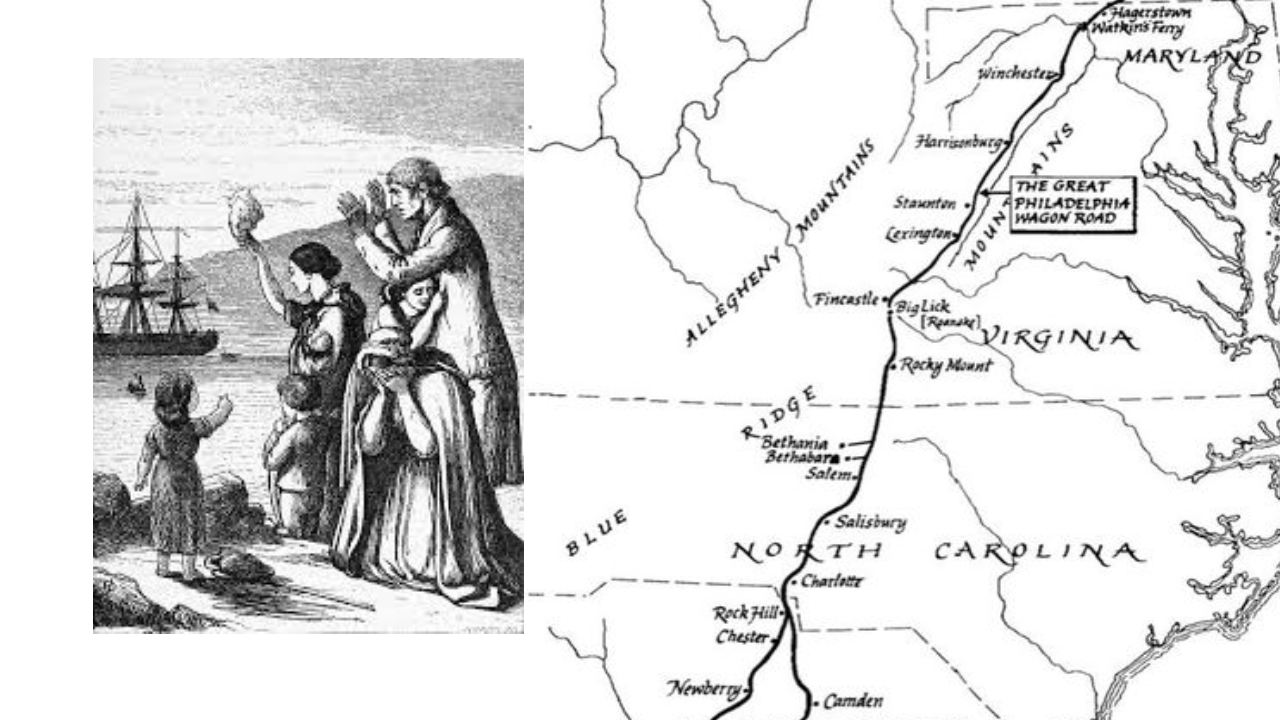
Most genealogists begin their research using census records. That is the appropriate startup. You can compare that data with tombstone records and Bible records. But when it comes to discovering past generations, one must consult county records.
This is the real locator of the oldest generations that begin to emerge on your pedigree chart and family group sheets. After the American Revolutionary War, the colonists began registering their deeds, taxes, wills, estates, and marriages in the county of residence.
It is possible to trace your ancestors back to the early 1600s, when Europeans first began arriving in Virginia. Charleston, South Carolina, an early port city frequented by merchant ships, preserved all of its records. These records include everything from affidavits concerning pirates to land parcels and detailed estate records!
As new settlers moved from place to place, they followed the wagon trail from Philadelphia south into the Carolinas, Georgia, and to far-west Virginia. It is not a question of connecting them to one state or county, but rather to all thirteen colonies.
The earliest emigrants to America sprang from England, Ireland, and Scotland and crossed the plains westward. This is the reason that Pioneer Families created databases that include Virginia, North Carolina, Kentucky, South Carolina, and Georgia, and merged the work into one website — https://georgiapioneers.com/become-a-member/
The Story of Irishman, Patrick Jack
At the commencement of the Revolutionary War, Patrick Jack, a native of Ireland who emigrated to America with his brothers, was a resident of Charlotte, North Carolina: Jack and his eldest son, Capt. James Jack, united in business, became the owner of some of the finest lots, or rather blocks, in Charlotte. On one of these lots, the old Elms property, on the corner next to the courthouse, Patrick Jack and his son, Capt. James Jack resided when the delegates from the militia districts of the county assembled in May, 1775. They also kept a public house of entertainment, and, on suitable occasions, told Irish jokes to the infinite delight of their numerous visitors.
But things were soon to change. On September 26, 1780, Lord Cornwallis, elated with his victory at Camden, entered Charlotte with the confident expectation of soon restoring North Carolina to the British Crown.
Patrick Jack was then an old and infirm man who had given up the chief control of his public house to his son. Captain James Jack. Neither gained the sympathies of the British soldiers, nor was the house’s patriotic character widely known among the Tories. Thus, its destruction was consequently a “foregone conclusion.’’
The British soldiers removed their aged owner from the feather bed upon which he was lying, emptied its contents into the street, and then set the house on fire! The loss to Patrick Jack of his dwelling-house and much of his furniture, accumulated over many years of patient toil and industry, was severe. The excitement of the burning scene, consequent exposure, and great nervous shock to a system already debilitated with disease, a few months afterward, brought to the grave this veteran patriot, and he was buried in the old graveyard in Charlotte.
Genealogy Tip: Search old wills and testaments.The Last Will and Testament of Patrick Jack, dated May 19, 1780, named the heirs, probated in Mecklenburg County, North Carolina.
Source: Sketches of Western North Carolina Historical and Biographical. Illustrating Principally the Revolutionary Period of Mecklenburg, Rowan, Lincoln, and Adjoining Counties, Accompanied with Miscellaneous Information, Much of it Never Before Published by O. L. Hunter, Member of North Carolina Historical Society (1877).
Dusty Dirt Roads and Wooded Areas
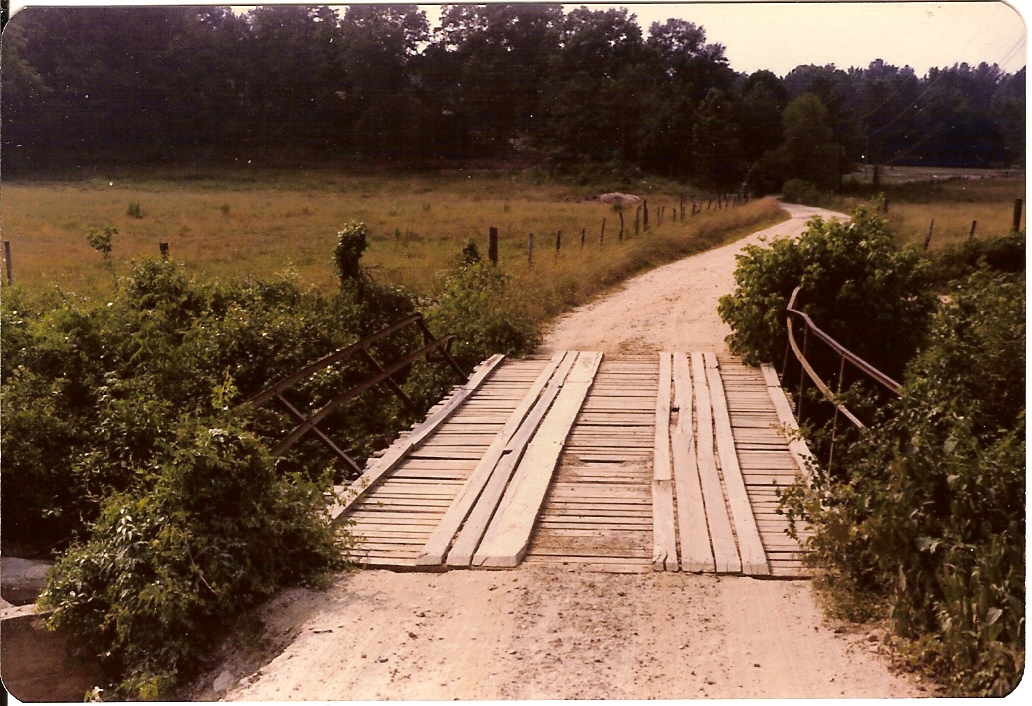
Despite America’s numbered highway system, there are many dirt roads yet to be searched. Perhaps our only avenue of a glimpse of the past is to drive our automobile down a dirt road with the windows down. Ah, but a whiff of the smell of red clay on a windy day, or the bumpy feeling of automobile tires treading across muddy sections! There is a feeling of loneliness as one swishes past a countryside thick with oak and pine trees. Are you seeking the old homeplace of your grandparents? Do you have a county map? Yes, county and topographical maps help to reveal the sites of streams, lakes, old churchyards, pastures, and wells. Perhaps an old tractor was left rusting in a cornfield. Or, the brittle remains of a farmhouse. Enter the house and search for loose boards. You may discover a hiding place for old assets.
Next, an adventure into the thickly wooded area graveyard could reward you with a few hidden graves.
FOR SALE: PDF FILES - Genealogical and Historical Articles

Beautiful Plantation Lady (Chambliss family in Georgia), 6 pp., $8.00
Exodus of the Loyalists from America, where they went, 30 pp., $25.00
First Settlers Timeline (A handy list for historians and genealogists) 4 pp., $6.00
French Refugees in America, 3 pp., $5.00
Irish Descent, 22 pp., $25.00.
Description: About Irish Records; Emigrants to America; Where to Search for Irish Ancestors
Emigrants to America; Why Many Irish Come from Antrim, Ireland; Some Irish Settlers in Virginia: Genealogies, etc.; Irish Settlers on the Opequn; Ports of Landing; and How and Why the Irish Settled in the Far West
Pennsylvania Dutch (where to search for ancestors), 5 pp, $10.00
Norwegian Church Register (Wisconsin), 32 pp., $15.00
Norwegian Immigrants 1825-1854 (listing of), 141 pp., $25.00
Prison Ships, stories of Americans aboard prison ships during the Revolutionary War, 5 pp., $6.00
Scottish Descent 29 pp. $35.00
Description:
The Ulster-Scots to America; Where Clans Resided in Scotland; The Great Emigration of 1704 to 1732; 1716 Scottish-Highlanders to America (Passenger Lists):
1739 North Carolina Scottish Settlers to Wilmington; 1771-1773 The Second Great Immigration; North Carolina and Flora Macdonald Flight to Moore County; Scottish Settlers to Port Royal SC Flogged by Spanish; Highlanders from Darien, Georgia from Inverness; Native Americans and Scots in the Revolutionary War; Scots who Signed the Declaration of Independence
Settlers of Virginia, early settlers. 56 pp. $25.00
Settlers of Georgia, first settlers, 47 pp. $25.00
Settlers of North Carolina, 23 pp., $15.00
Siege of Savannah (during Revolutionary War, 8 pp., $8.00
South Carolina Colonial Settlements, 15 pp. $8.00
The American Frontier, history of 17 pp., $10.00
The Ills of Sir Francis Bathurst in Georgia, 20 pp., $15.00
Survivors of
The Titanic (1912), 15 pp., $1500 pp.
FREE NEWSLETTER - GENEALOGY TIPS & BEYOND